
Introduction
Picture this: you’re trying to plan a family picnic, but your weather app suddenly stops updating. Frustrating, right? Now imagine that same frustration—but on a global scale, with our planet’s climate at stake. That’s what many climate scientists are facing today. The Trump administration’s push to cut or dismantle key satellite missions could create a massive gap in how we monitor Earth’s climate. These satellites are more than just fancy gadgets orbiting above us—they are the eyes and ears of scientists, tracking carbon dioxide, global temperatures, and atmospheric shifts in real time. Without them, predicting climate trends could become a perilous guessing game.
What Are Climate Satellites and Why They Matter
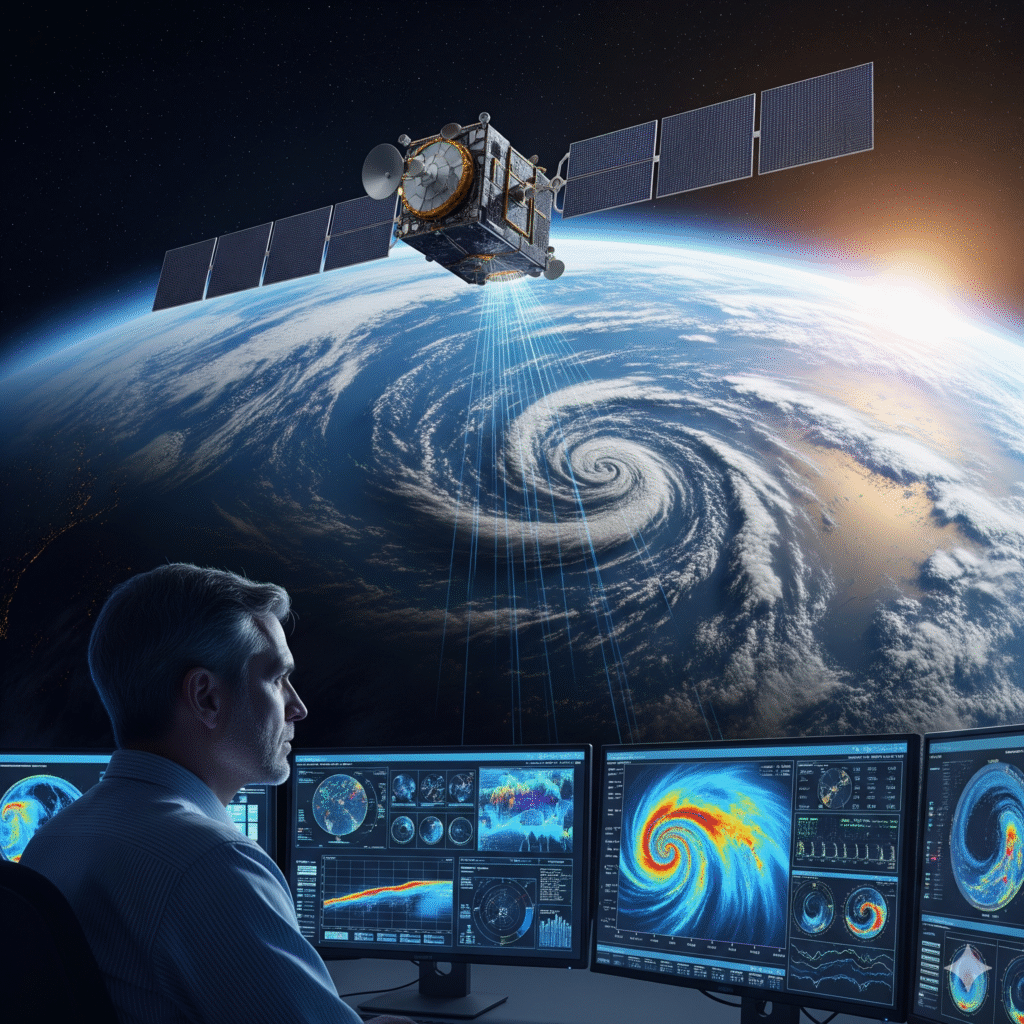
Climate satellites are specialized spacecraft designed to observe Earth from above. Think of them as the ultimate drone, but for the planet. They measure greenhouse gas concentrations, sea surface temperatures, and even changes in ice sheets. NASA’s Orbiting Carbon Observatory missions (OCO-2 and OCO-3) are prime examples, providing some of the most accurate carbon dioxide data we’ve ever had.
Why does this matter? Without these measurements, we’re flying blind on climate issues. Scientists rely on this data to:
- Track emissions and identify carbon sources and sinks.
- Model climate trends to predict extreme weather events.
- Inform policymakers crafting solutions to combat climate change.
I remember attending a climate research conference last year, and one scientist put it perfectly: “Without these satellites, it’s like trying to read a book in the dark.”
The Threat: Cutting Vital Missions
The Trump administration has proposed terminating some of these essential satellites, arguing that they are redundant or outdated. OCO-2, which has been operational since 2014, and OCO-3, which was installed on the International Space Station, are at the center of this debate.
David Crisp, a retired NASA scientist who helped launch OCO-2, warned, “These satellites provide the most precise global carbon dioxide measurements ever obtained. Losing them would be a significant blow to climate science.”
The reality is stark. If these missions end, we risk a data gap that could leave researchers without critical insights just when the world needs them most.
Data Rescue: Scientists Fighting Back
When faced with the threat of losing climate data, the scientific community has mobilized. Enter the “data rescue” movement. Think of it as a digital life raft for Earth observation data. Scientists and tech-savvy volunteers are downloading and archiving government-hosted climate datasets to ensure future research remains possible.
Websites like EnviroDataGov are helping researchers and the public access these datasets before they vanish. I personally tried accessing some of these archives last year—it felt a bit like uncovering hidden treasure, but the stakes were global.
This movement isn’t just about preservation. It’s about democratizing science. When data is freely available, anyone—from university researchers to high school students—can participate in climate research, fostering a new generation of environmental stewards.
The Bigger Picture: Why This Matters Now
The United States is already seeing the effects of climate change: more intense hurricanes, wildfires, and record-breaking heatwaves. According to the National Climate Assessment, climate impacts are projected to worsen without timely intervention. Cutting satellite data sources now is like removing a fire alarm in a burning building—an unnecessary risk.
Dr. Michael Mann, a renowned climate scientist, puts it bluntly: “The loss of these satellite missions would be a major setback in understanding and responding to climate change. It’s akin to taking a surgeon’s scalpel away mid-operation.”
FAQs
Q1: Why are the OCO-2 and OCO-3 satellites so important?
They provide the most precise global carbon dioxide measurements ever recorded, crucial for tracking emissions and understanding the Earth’s carbon cycle.
Q2: What is the data rescue movement?
A global effort by scientists and volunteers to archive and preserve climate data threatened by governmental cuts, ensuring it remains accessible for future research.
Q3: How can I access climate data?
Platforms like EnviroDataGov and NASA’s Earth Data provide free access to climate datasets.
Q4: What happens if we lose these satellites?
Without them, we risk significant gaps in climate monitoring, which could lead to less informed policy decisions and hinder our ability to respond to environmental disasters.
Q5: How can individuals help?
You can support open science initiatives, participate in citizen science projects, and advocate for continued investment in climate monitoring.
Conclusion
Our planet is sending warning signals, and satellites are our lifeline to understanding and responding to them. Threats to these critical missions are not just a bureaucratic debate—they are a matter of global importance. By supporting data rescue initiatives, advocating for continued funding, and staying informed, we can help ensure that the eyes in the sky remain open. Climate change won’t wait, and neither should we.