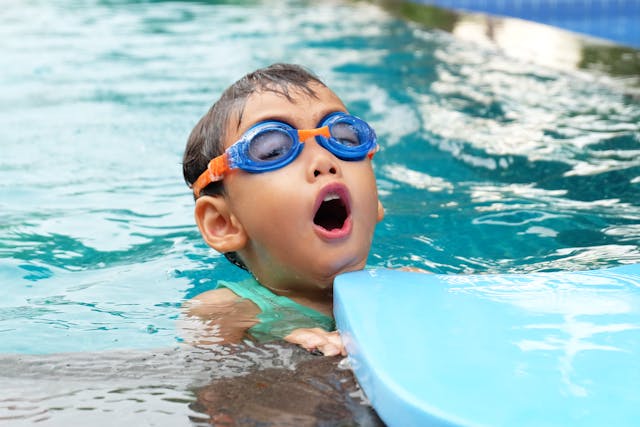

Swimming is more than just a fun weekend activity — it’s a skill that can shape your child’s physical, emotional, and social development for years to come. Whether it’s through formal lessons or just regular time in the water, swimming classes Clyde offer a whole range of benefits that go beyond the pool.
If you’re a parent wondering whether swimming is worth it, here’s why it absolutely is.
Health Benefits of Swimming for Kids: A Whole-Body, Whole-Mind Activity
Swimming is often seen as a fun pastime for children — and it is — but it also comes with a wide range of health benefits that support your child’s growth, development, and well-being.
Whether your child is doing formal swimming lessons or just enjoys splashing around, here’s how swimming can positively impact their physical and mental health.
🩺 1. Boosts Cardiovascular Fitness
Swimming gives kids a heart-healthy workout. It increases cardiovascular endurance, strengthens the heart muscle, and improves circulation. As children swim, their heart rate rises in a safe, steady way — helping to build long-term heart and lung health.
💪 2. Builds Strong Muscles and Bones
Swimming is a resistance-based activity, meaning it uses water pressure to gently strengthen muscles without heavy impact on growing joints. It helps children:
- Develop muscle tone
- Build upper and lower body strength
- Improve posture and spine alignment
- Strengthen core muscles for stability
Even young swimmers start to show better control over their movements thanks to swimming’s full-body engagement.
🧘♂️ 3. Improves Flexibility and Coordination
Water naturally encourages a wider range of motion. Swimming stretches the body and promotes flexibility in the arms, legs, hips, and spine.
At the same time, coordinating breathing with arm and leg movements helps kids improve balance, body control, and spatial awareness — all essential for physical development and other sports.
🧠 4. Enhances Brain Development and Mental Focus
Swimming has a unique effect on the brain. Studies show it can support:
- Memory and learning
- Concentration and focus
- Neuroplasticity (the brain’s ability to adapt and grow)
As kids move through the water, their brains are constantly processing rhythm, movement, timing, and direction. It’s like a workout for the brain, as much as it is for the body.
😌 5. Reduces Stress and Supports Mental Health
The calming effect of water is well known. For kids, swimming helps:
- Release feel-good hormones like endorphins and dopamine
- Reduce anxiety and restlessness
- Improve sleep quality
- Provide a natural, screen-free outlet for emotional regulation
Whether it’s a structured lesson or free play in the pool, swimming often leaves kids feeling happier, calmer, and more relaxed.
🛏️ 6. Encourages Better Sleep Patterns
Children who swim regularly often fall asleep faster and enjoy deeper, more restful sleep. That’s because swimming is physically tiring in a healthy way — and it helps release energy while calming the nervous system.
It’s especially helpful for kids who struggle with bedtime routines or excess energy in the evening.
🍎 7. Supports a Healthy Weight and Active Lifestyle
Swimming is a fantastic way to burn calories, improve metabolism, and maintain a healthy body weight. It also builds a habit of regular movement, which encourages:
- Less screen time
- More outdoor activity
- A more positive relationship with exercise
Because it’s fun and social, kids are more likely to stick with swimming compared to more competitive or high-pressure sports.
🌱 8. Builds Immunity and General Wellbeing
Staying active through swimming can help strengthen the immune system. Kids who swim regularly often experience:
- Fewer colds and respiratory issues
- Improved digestion
- Better energy levels and mood stability
Swimming also encourages deep breathing and lung capacity, which supports overall health and oxygen flow.
🤸♀️ 9. Helps with Motor Skills and Body Awareness
Swimming requires kids to use both sides of the body in a coordinated way — also known as bilateral coordination. This improves:
- Gross motor skills (like jumping, running, climbing)
- Fine motor skills (used in writing, cutting, tying shoes)
- Awareness of where their body is in space (called proprioception)
These are essential skills for both school readiness and general physical development.
From the heart to the brain, from stronger bones to calmer moods — swimming supports every part of your child’s health.
It’s low-impact, safe for growing bodies, and something kids genuinely enjoy. Whether your child is learning to swim for the first time or already splashing like a pro, you’re giving them so much more than a sport — you’re supporting their total well-being.
🛟 1. It Teaches Essential Water Safety Skills
In a country like Australia, where pools, beaches, and waterways are a big part of life, learning how to swim is critical. Swimming lessons Clyde equip kids with life-saving skills, including:
- Floating and treading water
- Staying calm in deep water
- Safe water entry and exit
- Understanding water risks
Giving your child these skills early on could one day save their life.
💡 2. Swimming Boosts Physical Development
Swimming is a fantastic full-body workout that supports healthy growth. It helps children:
- Build muscle strength and coordination
- Improve heart and lung health
- Develop better posture and balance
- Stay active without putting stress on their joints
And because it’s low-impact, it’s gentle enough for kids of all ages and abilities.
🧠 3. It Helps with Focus, Memory, and Brain Function
Swimming involves rhythm, breathing control, and body awareness — all of which support brain development. Regular swimming is known to improve:
- Focus and attention
- Memory retention
- Problem-solving skills
- Emotional regulation
Kids who swim often show better concentration in school and other structured activities.
🌈 4. It Builds Confidence and Emotional Resilience
Learning to swim gives kids a powerful sense of achievement. As they master new skills — from floating to swimming across the pool — they build:
- Self-confidence
- Independence
- Patience and persistence
- A positive mindset toward learning
And when things don’t go perfectly, they learn how to adapt and keep trying.
🤗 5. Swimming Encourages Social Interaction and Teamwork
Whether it’s group lessons, swim school, or just playing with friends in the water, swimming naturally supports social development. It helps kids learn to:
- Work with others
- Listen and follow instructions
- Take turns and share space
- Support and encourage peers
This makes swimming especially helpful for building social confidence in shy or quiet children.
🏃♂️ 6. It Supports a Healthy, Active Lifestyle
Kids who learn to swim early often grow up to be more active teens and adults. Swimming helps promote:
- Regular exercise habits
- Body confidence
- Positive mental health
- Screen-free playtime
It’s one of the few activities that can be enjoyed for life — from childhood through to old age.
😌 7. Swimming Is a Natural Stress Reliever
Water has a calming effect — and swimming gives kids an outlet to burn off energy and relax. It can:
- Reduce anxiety and hyperactivity
- Improve mood and sleep quality
- Help regulate breathing and emotions
- Provide a break from daily routines and school stress
The gentle rhythm of swimming creates a sense of flow that’s both soothing and energising.
Final Thoughts: Swimming Lessons Offer More Than Just Strokes
Whether your child is taking their first dip or refining their freestyle, swimming is one of the most valuable skills they can learn. It offers a unique combination of safety, fitness, mental growth, and confidence — all wrapped up in a fun and engaging activity.
So if you’re considering swimming lessons for your child, now’s the perfect time to take the plunge. It’s not just about learning to swim — it’s about giving your child the tools to thrive, in and out of the water.